
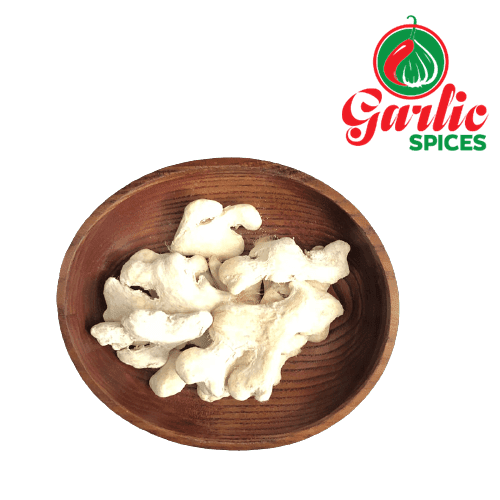
What Is Dried Whole Ginger?
Whole dehydrated ginger is supplied in a larger form for commercial ingredient buyers and food processors. Contact us to confirm the product specification and packing options available for your order. Please include your estimated quantity and destination when requesting a quotation.
Dried Whole Ginger root is the oldest form of preserving this pungent Chinese spice. Natural color and smell with ginger flavor.
- The fresh ginger has been sorted → washed → sun-dried / air-dried → packed dehydrated in our production facilities.
- All finished dehydrated ginger whole will need a test on pesticide residues and metal detection to screen out metallic contamination.
- Whole dried ginger can be selected for further cutting or grinding according to the required product form.
We also can supply ginger powder, granulated ginger, Ginger flakes, ginger strips. If you can not find the products, please contact us, we will reply soon. We hope to make a cooperation with you in future.
| Name | Dried Whole Ginger |
| Appearance | Natural color and smell with ginger flavour |
| Moisture | 10.7% max |
| SO2 | 30ppm max |
| Ash | 3.30% max |
| Mould and Yeast | 100cfu/g max |
| Standard Plate Count | 0.65 x 10⁵ cfu/g max |
| Total Coliforms | 100mpn/g |
| E.Coli | Negative/25g |
| Salmonella | Negative/25g |
| Shelf life | 2 years |
Packing and Delivery
- Inner packing: Aseptic poly bag 25KG
- Outer packing: 25KG carton or 50KG PP woven bag
- Loading: 14.0MT/20’FCL ; 25tons/40’FCL
- Delivery time: within 10-15 working days after get the deposit.
Everything You Need to Know About Dehydrated Whole Ginger
What to do with whole dried ginger?
Whole dried ginger adds a warm, pungent flavour to soups, stews and suitable beverage recipes. It can also be cut or ground for further preparation. For a ready-ground form, compare dehydrated ginger powder.
How do you use whole ginger?
Whole ginger can be peeled and sliced or grated for stir-fries, soups, and curries, adding its distinctive flavor. It’s also great steeped in hot water for ginger tea, used to flavor marinades and sauces, thinly sliced for beverages, or as a cocktail garnish. Ginger enhances dishes like gingerbread, brandy snaps, and ginger pudding, and can be made into tea, jam, preserved in syrup, or crystallized for snacking.
Do I have to peel ginger before dehydrating?
Yes, it is generally recommended to peel ginger before dehydrating it. The skin of ginger can be tough and may not dehydrate evenly or may affect the texture and flavor of the dried ginger. Peeling also helps remove any dirt or residues that may be on the surface of the ginger root.
What happens if you don't peel ginger?
If you don’t peel ginger before using it in cooking or drying, the skin can impart a slightly bitter taste and tough texture to dishes or dried ginger. It may also be more challenging to clean thoroughly, potentially leaving dirt or residues on the surface. Peeling ginger ensures a smoother texture and purer flavor, enhancing its culinary appeal.
What's the best way to dehydrate ginger?
To dehydrate ginger effectively, start by washing and peeling the ginger root. Slice or grate it into pieces, ensuring uniformity. Arrange the slices or gratings on a dehydrator tray for even drying, allowing ample air circulation. Set the dehydrator to a low temperature, around 105°F, and dry for approximately 2 to 4 hours until the ginger is completely dry, hard, and free of moisture. Alternatively, if using an oven, set it to the lowest temperature with the door slightly open to prevent burning, and check frequently. This process ensures the ginger retains its flavor and is ready for culinary use or storage.
What is the global market for dehydrated ginger
The global market for dehydrated ginger products can be analyzed from several perspectives:
1. Production and Supply
- Major Producers: The Asia-Pacific region dominates the global dehydrated ginger market, particularly China, India, Indonesia, and Nepal. These countries are major production hubs due to favorable climate conditions and advanced agricultural techniques (HTF MI) (Business Wire).
- Production Conditions: The tropical and subtropical climates in these countries provide ideal conditions for ginger cultivation, resulting in high yield and quality of ginger (Business Wire).
2. Market Demand
- Major Importers: Europe is the largest market for ginger imports, with significant demand from countries like Germany, the Netherlands, and the United Kingdom. The United States, Japan, and Canada also show increasing demand (Tridge) (Business Wire).
- Food applications: Dried ginger is used to add a warm, pungent flavour to soups, sauces, seasonings and bakery recipes. Select the product form to match the intended use.
3. Economic and Trade
- Trade Volume and Value: China is the largest exporter of dehydrated ginger, followed by countries such as the Netherlands, Thailand, India, and Peru. Export volumes and values from these countries have been rising, reflecting strong demand and economic value in the market (Business Wire).
- Market Share: The Asia-Pacific region holds the largest share in both production and consumption, dominating the global ginger market (HTF MI).
4. Product Types and Applications
- Product forms: Compare dehydrated ginger flakes, dehydrated ginger powder, dehydrated ginger granules. Each form has a different particle shape and should be selected according to the recipe.
- Applications: The antibacterial, anti-inflammatory, and antioxidant properties of ginger make it widely used in food and medicine. Its usage in cosmetics is also growing (IMARC) (Business Wire).
5. Market Challenges
- Quality Standards: The international market demands high-quality standards for dehydrated ginger products. Producers need to ensure that their products meet the quality and safety standards of importing countries, which imposes strict requirements on the supply chain and production processes (Business Wire).
- Price Volatility: Ginger prices are influenced by climate conditions, market demand, and production costs, leading to frequent price fluctuations. This presents economic risks for producers and traders (HTF MI).


